
No Disposability
Examine harm without reducing any person to the worst decision they made or the conditions that harmed them.
Using carefully selected films and guided conversations to build emotional intelligence, resilience, empathy, and healing.

James Jeter started We Investigate the Trauma because he saw firsthand how unaddressed trauma silences children — especially in communities touched by incarceration, violence, and systemic neglect.
Through his work with the Full Citizens Coalition, James met countless returning citizens who struggled to reconnect with their children, not because they lacked love, but because no one had ever given those children the tools to understand what they were feeling. The hurt was passed down, generation after generation, simply because it was never named.
He built this program to break that cycle. Using film, storytelling, and guided discussion, we create safe spaces where children can explore their emotions, build resilience, and finally put words to the weight they have been carrying — before it hardens into the kind of pain that defines an adulthood.
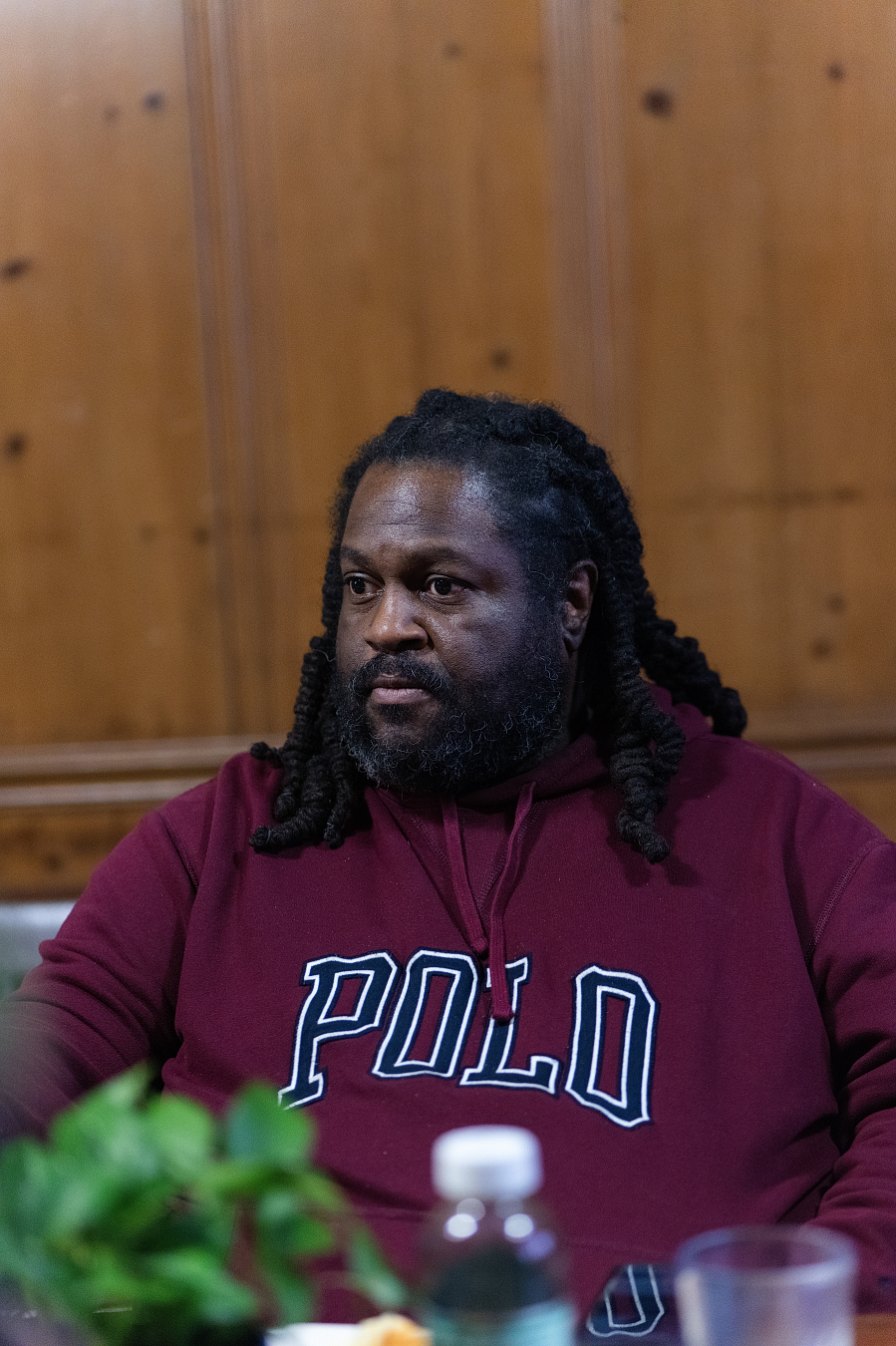
Founder · Director, Full Citizens Coalition
James leads the Full Citizens Coalition, an organization built by and for formerly incarcerated people advancing the rights, dignity, and full reintegration of returning citizens.
Drawing on his own lived experience and years of advocacy, he founded We Investigate the Trauma to reach children before the cycle of hurt takes root — using film, storytelling, and guided conversation to help young people understand their emotions, build resilience, and find their voice.
Two teachable story arcs that study how stories normalize punishment, disposability, and shame — then use art, dialogue, and community design to imagine non-punitive cultures of care, accountability, and repair.
Examine harm without reducing any person to the worst decision they made or the conditions that harmed them.
We do not mine pain for entertainment. We track systems, choices, resources, and blocked options.
Ask what repair, interruption, support, and changed conditions would require — not just who to punish.
Treat stories, family scripts, school norms, and community myths as infrastructure that can reproduce violence or make care possible.
Every session includes opt-out choices, content warnings, non-extractive discussion norms, and creative alternatives to personal disclosure — grounded in trauma-informed practice.
Speak from the text, not from assumptions about real people.
Name systems before judging individual behavior.
Distinguish explanation from excuse — context reveals intervention points, it doesn't erase harm.
Ask “what conditions made this choice more likely?” before “why did they do that?”
Avoid forced personal sharing. Lived experience is expertise, not classroom evidence to be demanded.
Teach independently or as a paired 10-session mini-course.
Uses the father-son arc from Tyrant: Like Father Like Son to examine inherited violence, masculinity, incarceration aftermath, and the pressure to repeat a family script.
The Inherited Script
“Before Lil Smoke makes a choice, what has already been chosen for him by family history, reputation, incarceration, and neighborhood memory?”
Pulls Toward Repetition & Repair
“What does the revenge script offer emotionally, and what support would make refusal feel less isolating?”
Accountable Language
“How does Smoke take responsibility without making his son responsible for his healing?”
The Sequel Fork: Blessing or Revenge
“What makes survival become a new beginning instead of another reason to retaliate?”
Cultural Abolition Intervention
“Design a counter-script that interrupts inherited violence in the family and community culture.”
Each unit ends with learners identifying one harmful cultural script, analyzing how it reproduces harm, and designing a counter-script or community intervention.
A phrase, belief, ritual, media trope, or institutional habit that makes harm feel normal.
Who becomes invisible, disposable, blamed, feared, or isolated.
The specific moment where the script narrows someone's choices.
A new story, practice, art piece, policy demand, or relationship norm.
What resources would make the new choice actually possible.
How harm is named, repaired, and prevented without relying on shame or exile.
Children engage with carefully selected films.
Facilitated discussions help process emotions and experiences.
Children develop emotional intelligence and resilience.
Free and downloadable resources designed alongside clinicians and classroom educators.
Film-by-film prompts to lead emotionally safe conversations.
Hands-on exercises that extend reflection into learning.
Frameworks grounded in research and clinical guidance.
Tools to continue the conversation at home with care.
Character-arc investigations across the films we study — mapping the pressures, forks, and inherited patterns that shape each story.
Smoke (Bo Deal) & Lil Smoke (Kevon Gill)
Partner with us to bring trauma-informed film education to your school, classroom, or organization.
Whether you're an educator, counselor, or parent — we'd love to hear from you.